
Polynucleotides Under the Eyes: Dark Circles, Hollows and Fine Lines
Laser hair removal is a popular method of removing unwanted body hair. It has become even more common in the last few years.
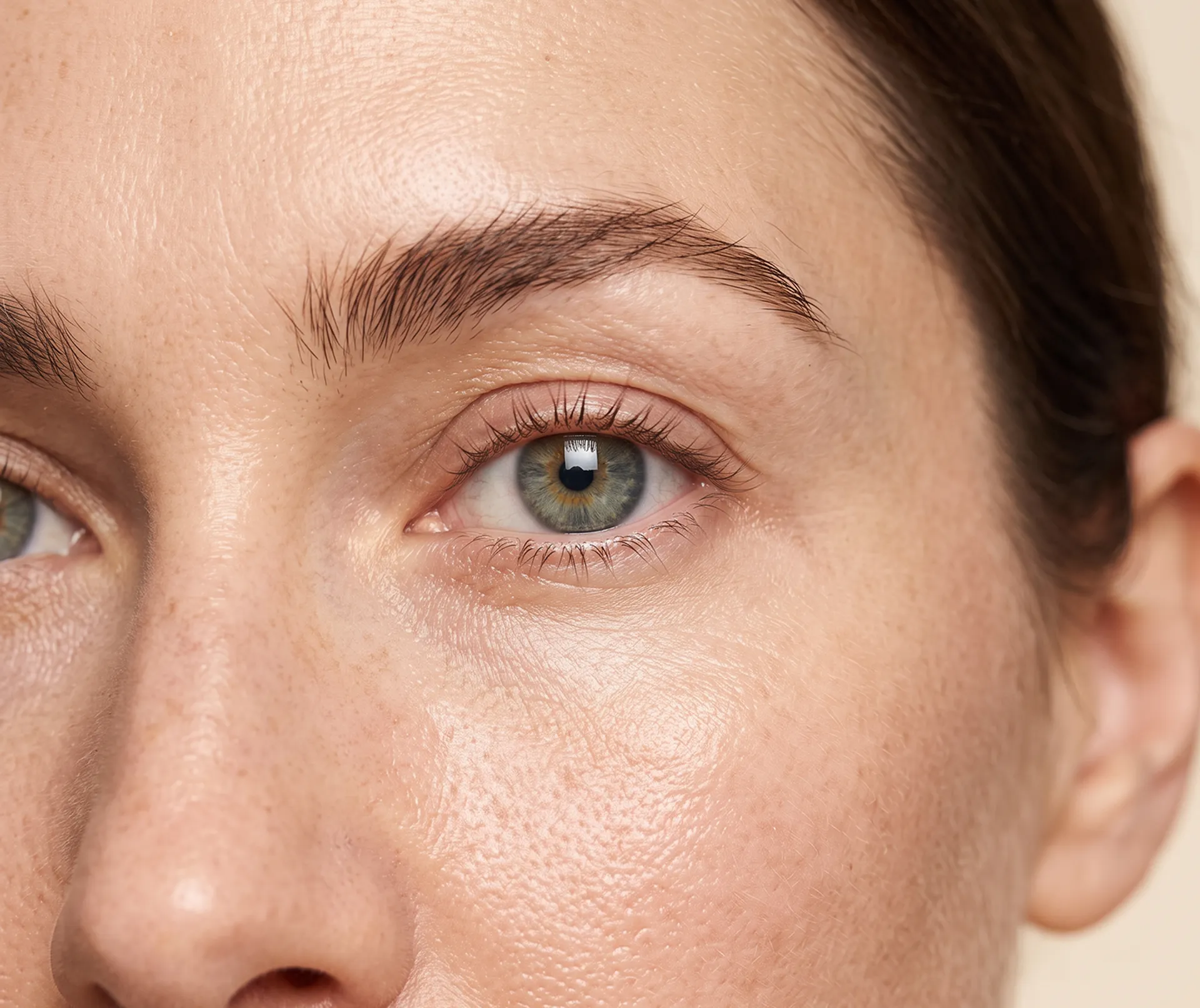
Few aesthetic concerns provoke as much quiet frustration as periorbital exhaustion. Waking up to dark circles, persistent hollows, and crinkling fine lines can make you appear chronically depleted, regardless of how deeply you slept or how scrupulously you curated your lifestyle.
The lower eyelid and tear trough form an unforgiving canvas; they announce the passage of time, stress, and systemic fatigue long before other facial areas show comparable wear. For decades, standard non-surgical remedies offered to patients have occupied opposite ends of an unsatisfactory spectrum: topical creams with limited dermal penetration, or conventional hyaluronic acid fillers carrying risks of fluid retention and unnatural puffiness.
The arrival of polynucleotides has redefined this clinical landscape. Rather than merely disguising shadow or inflating shallow tissue, these bio-inspired injectables represent a fundamental shift toward regenerative aesthetics by stimulating intrinsic cellular repair.
Why the Eye Area Surrenders to Early Ageing
To understand why the periorbital region is uniquely vulnerable, one must consider its micro-anatomy. The skin beneath the eyes is the thinnest on the human body, measuring between 0.3 and 0.5 millimetres—roughly the thickness of tissue paper. It possesses almost no sebaceous glands, lacking the natural lipid barrier that protects the cheeks and forehead against environmental degradation.
Furthermore, this fragile skin rests directly atop a ceaselessly active muscle, the orbicularis oculi. Every blink, squint, smile, and expression mechanically stresses the delicate dermal matrix. Combined with intrinsic biological ageing, the skin gradually loses structural collagen and elastin, leading to a translucent, papery quality known as crepiness.
Vascular Pooling
Due to thin, semi-translucent skin, the underlying capillary network and orbicularis muscle show through, casting a bluish, purplish, or deep violet hue often mistaken for surface pigmentation.
True Pigmentary Discolouration
Caused by post-inflammatory hyperpigmentation, genetics, or cumulative UV exposure, producing a brown or sepia-toned deposit of melanin within epidermal layers.
Structural Tear Trough Hollows
Descent of sub-orbicularis oculi fat (SOOF) alongside bone resorption creates a sunken valley. Light cannot catch this depression evenly, casting an unyielding shadow.
Lymphatic Stagnation
Sluggish microcirculation can impede local fluid drainage, manifesting as morning puffiness that stretches the periorbital envelope and accelerates skin laxity.
Accurate diagnosis is paramount. Treating structural pigmentation with a volumising agent, or treating vascular transparency with skin-lightening creams, will inevitably disappoint. True periorbital revitalisation demands an intervention that acts directly upon the architecture of the skin itself.
Rethinking Under-Eye Rejuvenation: The Polynucleotide Mechanism
Polynucleotides represent a distinct category within regenerative medicine, categorised as bio-stimulators or biorevitalisers rather than traditional dermal fillers. Formulated as highly purified, biocompatible gel suspensions of DNA fractions, they are derived from controlled, pharmaceutical-grade salmon or trout sperm cells. The raw material undergoes ultra-purification, high-temperature sterilisation, and enzymatic cleaving, stripping away all proteins and peptides to eliminate the risk of an antigenic response.
Rather than superimposing artificial volume over an ageing scaffold, polynucleotides command the skin to regenerate its own support system. The result is authentic, gradual tissue renewal that thickens, firms, and revitalises fragile under-eye tissue.
Targeting the Triad: Fine Lines, Dark Circles, and Hollows
By systematically altering the micro-environment of the periorbital skin, polynucleotides deliver targeted benefits across the three primary complaints brought to clinical consultations:
Dermal Remodelling
Smooths dynamic crinkles and repairs skin micro-texture.
Increased Density
Thickens dermis to obscure deep vascular pooling.
Gradual Thickening
Restores natural biological bounce without overfilling.
Smoothing Fine Dynamic Lines and Crepiness
The appearance of dynamic "crinkles" beneath the lower eyelashes is caused by repetitive muscular contractions shearing across an increasingly thinned dermis. As neo-collagenesis and elastin synthesis occur, the skin recovers structural rebound. Dermal tissue becomes visibly denser, firmer, and more resilient. Superficial micro-ridges smooth out, dynamic lines soften, and the crinkly "crepe-paper" texture is replaced by a refined, light-reflective surface.
Diminishing Vascular and Shadowed Dark Circles
Dark circles caused by vascular pooling present a major clinical challenge. Topical agents cannot penetrate deeply enough to alter vascular translucency. Polynucleotides address this by increasing the physical thickness and cellular density of the overlying dermis.
As the dermal mattress becomes more robust, it acts as a soft optical filter, reducing the transparency that allows the dark venous network and the orbicularis muscle to show through. Simultaneously, improved microcirculation reduces chronic capillary congestion, gradually transforming dull, purplish under-eye skin into a brighter tone.
Softening Mild Structural Hollows
It is essential to clarify expectations regarding deep anatomical hollows: polynucleotides are not designed to duplicate the rapid volumising projection of dense cross-linked hyaluronic acid. However, in patients experiencing mild to moderate tear trough depressions driven primarily by dermal thinning and early tissue laxity, polynucleotides provide an elegant alternative.
By restoring healthy extracellular matrix volume and biological "bounce," the treatment gently cushions the transition between the lower eyelid and upper cheek, avoiding the overstuffed, shelf-like appearance that can mar conventional tear trough treatments.
Polynucleotides vs Tear Trough Fillers: A Critical Distinction
While an experienced practitioner can achieve remarkable results with hyaluronic acid (HA) in carefully selected candidates, the tear trough remains the highest-risk facial zone for filler complications. Polynucleotides diverge fundamentally from HA fillers in both biochemical behaviour and aesthetic purpose.
| Feature / Consideration | Polynucleotide Therapy | Hyaluronic Acid Tear Trough Filler |
|---|---|---|
| Primary Mechanism | Cellular regeneration and dermal thickening | Mechanical space-filling and volume replacement |
| Water Attraction (Hydrophilic Risk) | Minimal; supports natural hydration without fluid swelling | High; can draw water, causing chronic morning puffiness |
| Risk of Tyndall Effect | Zero; clear liquid absorbs and metabolises fully | Moderate to high if injected too superficially (blue hue) |
| Lymphatic Impact | Encourages micro-drainage and vascular health | May inadvertently compress delicate periorbital lymphatics |
| Onset of Results | Progressive and cumulative over 6 to 12 weeks | Immediate mechanical volumisation upon placement |
| Tissue Naturalism | Entirely your own regenerated biological tissue | Foreign gel situated beneath or within tissues |
| Complication Reversibility | Self-limiting healing; no dissolving enzyme required | Reversible via hyaluronidase enzyme injections |
Placing a hydrophilic gel into a zone characterised by slow lymphatic drainage can precipitate late-onset fluid accumulation, malar oedema, and festoons—even years post-injection. Polynucleotides eliminate these specific complications. Because they do not rely on excessive water retention, the carrier solution fully integrates and breaks down naturally over several days, leaving behind biological instructions that urge the skin to rebuild itself.
The Treatment Pathway: Sessions, Healing, and Milestones
Undergoing polynucleotide therapy is an iterative journey. Cellular remodelling takes biological time, meaning patience and adherence to the recommended clinical protocol are essential for achieving optimal results.
The Standard Protocol
- Treatment Course: 2 to 3 sessions.
- Session Intervals: Spaced 2 to 4 weeks apart.
- Technique: Administered via superficial intradermal micro-injections (32G/34G needle) or an atraumatic blunt-tipped micro-cannula.
Immediately following the procedure, patients should anticipate noticeable, transient swelling at the injection sites. When micro-needle techniques are used, the product creates small, raised blebs or papules beneath the skin, resembling tiny pearls. These typically dissipate within 24 to 72 hours as the fluid disperses and absorbs into deeper tissue planes.
Initial papules subside; early free-radical defense begins and subtle tissue hydration emerges.
Cumulative tissue density begins; patients note early structural recovery and reduced morning crepiness.
Full fibroblast activation established; neo-collagenesis and neo-angiogenesis shift into peak operation.
Maximum dermal density, line smoothing, and vascular clearing; the periorbital frame looks notably rested.
Longevity and Maintenance
The structural collagen and elastin generated belong entirely to your body. However, because natural biological ageing persists, clinical outcomes generally endure for six to nine months. To preserve aesthetic gains, practitioners recommend a single maintenance session every four to six months.
Determining Your Suitability: Candidates and Contraindications
While polynucleotides offer a broad safety margin due to their non-cross-linked, biocompatible structure, a thorough clinical evaluation is imperative before proceeding.
- Individuals with thin, translucent, or crepey lower eyelid skin.
- Patients troubled by dark, purplish circles caused by vascular visibility.
- Those seeking subtle softening of mild hollows without traditional filler risks.
- Poor candidates for HA fillers due to fluid retention or morning eye bags.
- Patients who have dissolved previous tear trough filler and wish to rebuild tissue health.
- Fish/Seafood Allergy: Anaphylaxis or severe hypersensitivity to fish excludes treatment.
- Pregnancy & Breastfeeding: Safety trials have not been conducted in this cohort.
- Active Pathology: Active infections, eczema, blepharitis, or dermatitis near the eyes.
- Uncontrolled Autoimmune Disease: Requires medical clearance and cautious judgment.
- Anticoagulant Therapy: Blood thinners significantly elevate the risk of bruising.
Enhancing and Sustaining Your Investment: Aftercare and Synergy
The biological return on polynucleotide therapy depends significantly on how you manage the healing phase and support your skin long term. Protecting freshly stimulated fibroblasts from inflammatory distress ensures unhindered collagen synthesis.
Immediate Aftercare (First 24–48 Hours)
- Keep clean: Avoid touching or applying makeup for 12 hours.
- Gentle cooling: Use a clean cold compress in 5-minute intervals if swollen.
- Suspend exercise: Refrain from vigorous cardio/lifting for 48 hours.
- Avoid heat: Skip saunas, steam rooms, and hot baths for 2 days.
- Elevate head: Sleep slightly elevated to aid lymphatic drainage.
Skincare Adjustments (Pause 3–5 Days)
- Retinoids: Discontinue tretinoin, retinal, and retinol around the eye orbit.
- Exfoliating Acids: Pause AHAs (glycolic, lactic), BHAs, and PHAs.
- High-Strength Vitamin C: Switch to gentle hydrators (glycerin, squalane, panthenol).
- Daily SPF 50: Protect newly minted collagen from rapid UV breakdown.
Polynucleotides also integrate well into multi-modality treatment programmes. For patients presenting with widespread facial dehydration alongside periorbital crepiness, practitioners often combine periorbital polynucleotide protocols with systemic skin-boosting treatments such as Profhilo for the lower and mid-face. While standard hyaluronic skin boosters are rarely injected near the eyelid margin due to fluid-attracting properties, polynucleotides can be safely administered directly up to the lower eyelid margin.
An Empowered Approach to Under-Eye Care
The shift toward regenerative aesthetics acknowledges an essential biological truth: the most natural, graceful improvements do not come from disguising the skin or forcing it to hold artificial volume. Instead, they stem from restoring the tissue's own biological vitality.
"True periorbital revitalisation demands an intervention that acts directly upon the architecture of the skin itself, rather than superimposing an artificial cushion."