
Polynucleotide Aftercare: Washing, Makeup, Retinol, Exercise, Alcohol
Laser hair removal is a popular method of removing unwanted body hair. It has become even more common in the last few years.
Aesthetic medicine has undergone a profound paradigm shift. The historical reliance on purely structural, space-occupying treatments has evolved into an era of tissue regeneration, where the primary objective is to restore cellular health from within.
At the vanguard of this regenerative movement are polynucleotides. Far from being conventional dermal fillers, these biologically active injectables stimulate your skin’s intrinsic repair pathways. However, the true success of this sophisticated bio-remodelling therapy relies on the synergy between precise clinical delivery and meticulous aftercare.
Once these delicate biological fragments are introduced into the dermis, your cellular repair machinery begins its work. Supporting this restorative cascade requires deliberate, protective choices in the hours and days following your procedure.
Beyond Volume: The Biology of Polynucleotides
To understand why your aftercare protocol matters, it helps to explore what transpires beneath the epidermis. Polynucleotides are highly purified, DNA-derived fractions—typically sourced from trout or salmon gonadic tissue—that undergo rigorous ultra-purification to ensure full biocompatibility.
Unlike cross-linked hyaluronic acid gels, which sit within tissue planes to create immediate physical projection, polynucleotides operate as direct cellular communicators. Upon injection, they bind to adenosine A2A receptors and trigger the salvage pathway of DNA synthesis. This interaction stimulates dermal fibroblasts, prompting them to synthesise fresh, unfragmented type I and type III collagen, structural elastin, and endogenous hyaluronic acid.
Simultaneously, polynucleotides possess potent humectant properties, binding water molecules within the extracellular matrix to deliver deep tissue hydration. Crucially, they exhibit remarkable antioxidant activity. By scavenging free radicals and downregulating pro-inflammatory cytokines, polynucleotides cultivate an optimal, low-stress microenvironment that allows damaged cells to repair and rejuvenate.
Clinical Versatility: From the Delicate Under-Eye to the Scalp
Because polynucleotides alter tissue quality rather than distorting anatomical contours, their clinical versatility is unmatched. They are uniquely suited to anatomically fragile zones where traditional fillers carry significant risk.
Gentle Cleansing: Safe Washing Protocols Post-Treatment
The mechanical act of introducing polynucleotides creates hundreds of microscopic epidermal punctures. For the first few hours, these tiny micro-channels remain open pathways between your skin and the external environment.
Do not wash, wet, or touch the treated zone for the initial 4 to 6 hours. Touching the face introduces transient pathogens from the fingers, while tap water carries natural mineral deposits and trace microbes that can provoke secondary infections in vulnerable tissue.
Your Evening Cleansing Ritual
Once past the six-hour mark, you may cleanse your face, provided you adopt a non-disruptive, restorative technique:
- Water Temperature: Use exclusively cool or lukewarm water. Hot water causes acute peripheral vasodilation, which exacerbates local oedema (swelling) and invites avoidable bruising.
- Cleanser Selection: Choose a mild, sulfate-free, non-foaming cleansing lotion or gentle gel. Avoid harsh surfactants, synthetic perfumes, and clarifying oil-cleansers that require intense emulsification.
- Mechanical Action: Dispense the cleanser onto wet palms and glide your hands across the skin using minimal pressure. Never scrub, buff, or use electronic cleansing brushes, cleansing mitts, or exfoliating sponges.
- Drying Protocol: Gently pat the skin dry using a fresh, clean face cloth or an unbleached paper towel. Never drag the fabric across areas exhibiting micro-papules or transient erythema.
For those prone to barrier-compromised conditions such as eczema or rosacea, double cleansing must be avoided for at least three days. The focus should remain entirely on gentle purification without stripping essential surface lipids.
Cosmetics and Concealers: Protecting Micro-Punctures from Irritation
The impulse to conceal post-treatment redness or small injection blebs is understandable, but applying decorative cosmetics prematurely introduces significant clinical risks.
The 24-Hour Makeup Rule
Maintain a strict cosmetic-free window for 12 to 24 hours. Traditional foundations, concealers, and tinted creams harbour microscopic bacteria that can trigger micro-infections within open injection sites.
When you resume wearing makeup after the initial 24 hours, adhere to these clinical best practices:
Sanitise Your Tools
If using brushes or beauty sponges, wash them thoroughly with antibacterial cleanser prior to application. Applying clean makeup with contaminated tools negates all safety margins.
Opt for Breathable Formulations
Choose sterile, medical-grade mineral makeup or lightweight, non-comedogenic formulations. Mineral pigments sit inertly upon the skin’s surface, allowing unimpeded cutaneous respiration.
Avoid Occlusive Formulations
Steer clear of heavy, oil-dense foundations, theatrical concealers, or silicone-heavy setting sprays that create warm, anaerobic environments where bacteria flourish.
Mindful Removal
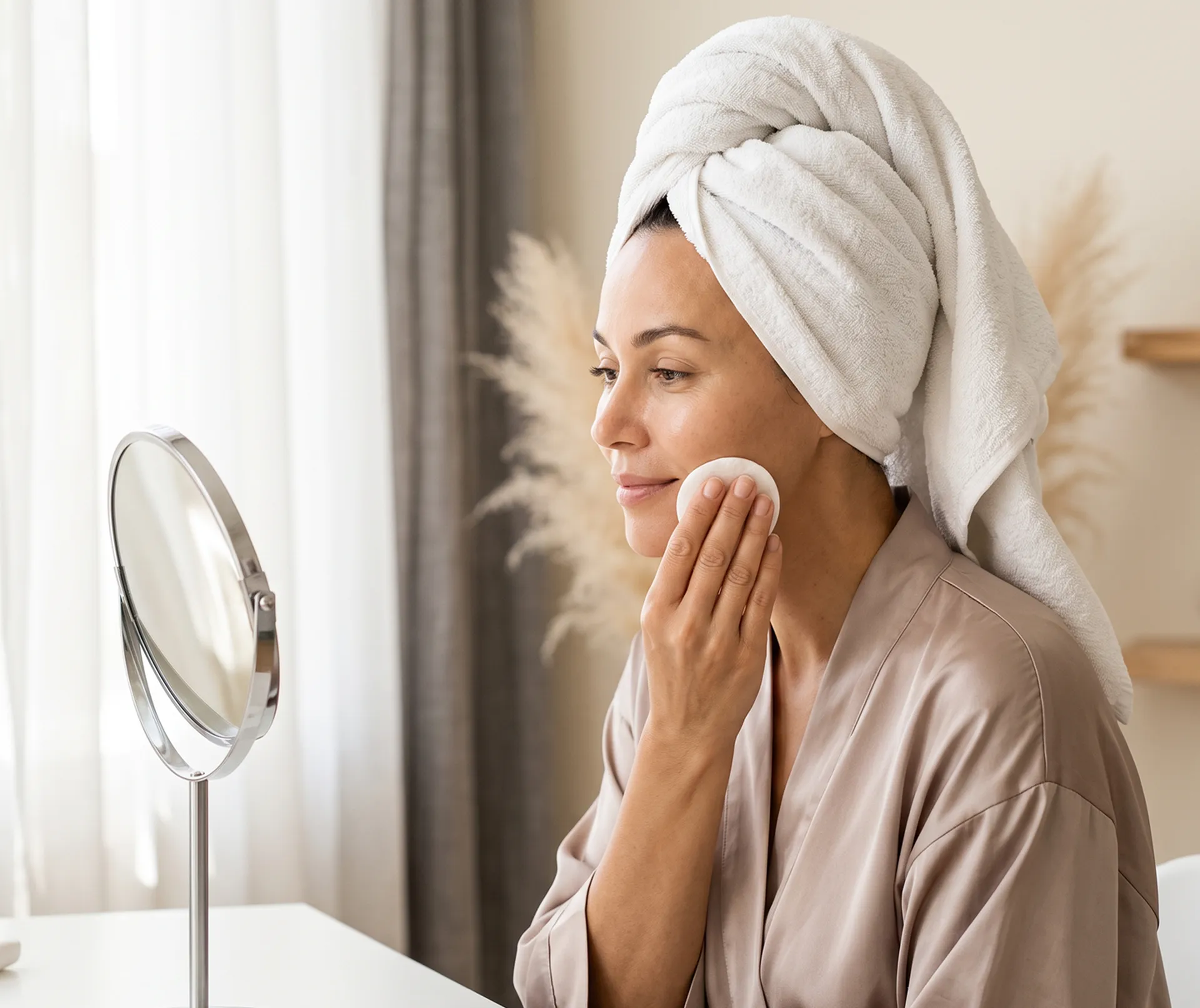
Remove your makeup using a micellar water formulated for hyper-reactive skin, swept over the tissue with ultra-soft cotton pads, followed by your gentle post-procedure cleanser.
Pausing Potent Actives: Managing Retinoids and Exfoliating Acids
Polynucleotides induce regeneration from the inside out. Introducing aggressive topical actives that peel or disrupt the skin from the outside in can confuse cellular signalling and compromise barrier integrity.
- Vitamin A Derivatives: Prescription tretinoin, tazarotene, adapalene, over-the-counter retinaldehyde, and retinol serums.
- Alpha-Hydroxy Acids (AHAs): Glycolic, lactic, mandelic, and malic acids.
- Beta-Hydroxy Acids (BHAs): Salicylic acid in serums, toners, and spot treatments.
- Oxidising Agents: Benzoyl peroxide and high-concentration L-ascorbic acid (pure Vitamin C).
Introducing these ingredients while the skin is processing micro-trauma triggers irritant contact dermatitis, excessive trans-epidermal water loss (TEWL), and prolonged post-inflammatory hyperpigmentation (PIH)—especially in darker Fitzpatrick skin types.
The Restorative Support Regimen
Instead of actives, supply your skin with the structural precursors necessary to support barrier repair and cellular matrix deposition:
Gradually reintroduce your active serums after day seven, beginning with a buffered application of retinol once or twice weekly to ensure your skin remains balanced and calm.
Circulation, Heat, and Movement: Protecting Healing Tissue
Exercise is fundamentally pro-healing, but acute physical exertion in the immediate post-treatment phase can compromise your aesthetic results.
The 48-Hour Strenuous Exercise Ban
For the first 24 to 48 hours, refrain from vigorous cardio workouts, heavy resistance training, dynamic inversions (such as hot yoga or Pilates), and high-impact sports. When your heart rate rises and systolic blood pressure surges, local capillaries dilate. This systemic vasodilation significantly increases hydrostatic pressure, potentially converting imperceptible micro-bruises into conspicuous haematomas. Furthermore, perspiration flows into micro-punctures, triggering stinging, irritant dermatitis, and secondary breakouts.
Thermal Hazards: Saunas, Steam Rooms, and UV Exposure
Steer clear of external thermal stress for a minimum of one full week:
- Saunas and Steam Rooms: High ambient heat provokes profound microvascular dilation, prolongs tissue oedema, and creates ideal conditions for microbial proliferation.
- Sunbeds and Direct Sunlight: UV radiation directly degrades newly forming collagen fibrils and damages emerging cells. Treating inflamed skin with UV radiation almost always leads to post-inflammatory hyperpigmentation.
- Daily Photoprotection: Apply a broad-spectrum, mineral-based SPF 50 containing zinc oxide or titanium dioxide every morning, reapplying every two hours if exposed to daylight.
The Biological Toll of Alcohol on Cutaneous Repair
Enjoying a glass of wine may feel like an innocuous way to unwind, but alcohol places distinct physiological demands on healing tissue that can undermine your treatment outcomes.
The Physiological Impact
Alcohol acts as a potent peripheral vasodilator and systemic diuretic. It exacerbates tissue swelling, impairs platelet adhesion, and disrupts the deep restorative sleep cycles essential for cellular regeneration.
Clinicians recommend abstaining from alcohol for 24 to 48 hours both before and after your appointment for several biological reasons:
1. Increased Bleeding and Bruising
Ethanol inhibits normal platelet aggregation and relaxes vascular walls, causing micro-injection sites to take longer to seal and resulting in darker, larger bruises.
2. Acute Systemic Dehydration
Polynucleotides require local moisture to construct the new extracellular matrix. Alcohol blocks vasopressin, accelerating water loss and dehydrating tissue.
3. Histamine Release & Flushing
Fermented drinks contain dietary histamines that cause mast cells to degranulate, resulting in prolonged facial erythema and swelling—especially problematic for rosacea patients.
4. Impaired Sleep and Tissue Repair
Alcohol fragments REM and slow-wave sleep. Because natural regenerative cascades and growth factors peak during deep nocturnal rest, poor sleep hinders repair.
Essential Dos and Don'ts: Your Quick Reference
| Action | Do | Don't |
|---|---|---|
| Washing | Use lukewarm water and a mild, sulfate-free cleanser after 6 hours. Pat dry with a fresh towel. | Do not use hot water, cleansing brushes, or harsh foaming soaps. Avoid touching the face for 4–6 hours. |
| Makeup | Apply clean, mineral formulations after 24 hours using sanitised brushes. | Do not apply heavy, occlusive foundations or use dirty sponges within the initial 24-hour window. |
| Skincare Actives | Nourish the skin with ceramides, squalane, low-dose niacinamide, and hyaluronic acid. | Do not use retinol, glycolic acid, salicylic acid, or chemical peels for 5–7 days. |
| Physical Activity | Enjoy light walks and gentle daily movement that keeps your heart rate stable. | Do not partake in heavy weightlifting, intense cardio, hot yoga, or sweat-inducing workouts for 48 hours. |
| Heat & Sunlight | Apply a high-factor mineral SPF 50 daily and shield the skin with wide-brimmed hats. | Do not use saunas, steam rooms, or sunbeds for at least one week following your procedure. |
| Lifestyle | Drink plenty of fresh water, eat antioxidant-rich foods, and prioritise restorative sleep. | Do not consume alcohol for 24–48 hours post-treatment. |
The Recovery Journey: What to Expect
Because polynucleotides are true regenerative biostimulators rather than inert filler materials, managing clinical expectations requires understanding their natural biological timeline.
Immediately following your session, you will notice tiny, bleb-like elevations under the skin, often called micro-papules. This indicates the solution is positioned in the superficial dermis.
- Papule Resolution: Absorbs within 24 to 72 hours around the periorbital zone; 24 to 36 hours across face, neck, or décolletage.
- Transient Responses: Mild swelling, erythema, and small petechial bruises. Clean cold compresses wrapped in sterile gauze may be applied for 5-minute intervals.
Humectant properties draw physiological moisture into the skin, revealing:
- Noticeably improved skin hydration and natural luminosity.
- A subtle reduction in periorbital crepiness and fine textural irregularities.
- Calmer, less reactive skin with reduced background erythema.
- Months 2 to 3: After an initial series of 2 to 4 sessions, the extracellular matrix becomes denser, thicker, and more elastic.
- Months 6 to 12: Dermal health reaches its zenith. Under-eye hollows appear refreshed and cellular hyperpigmentation softens.
- Maintenance at 12 to 18 Months: A single top-up every six to nine months preserves structural improvements against ongoing intrinsic aging.