
Does Insurance Cover Wart Removal? What You Need to Know
Laser hair removal is a popular method of removing unwanted body hair. It has become even more common in the last few years.
Navigating Insurance Coverage for Wart Removal
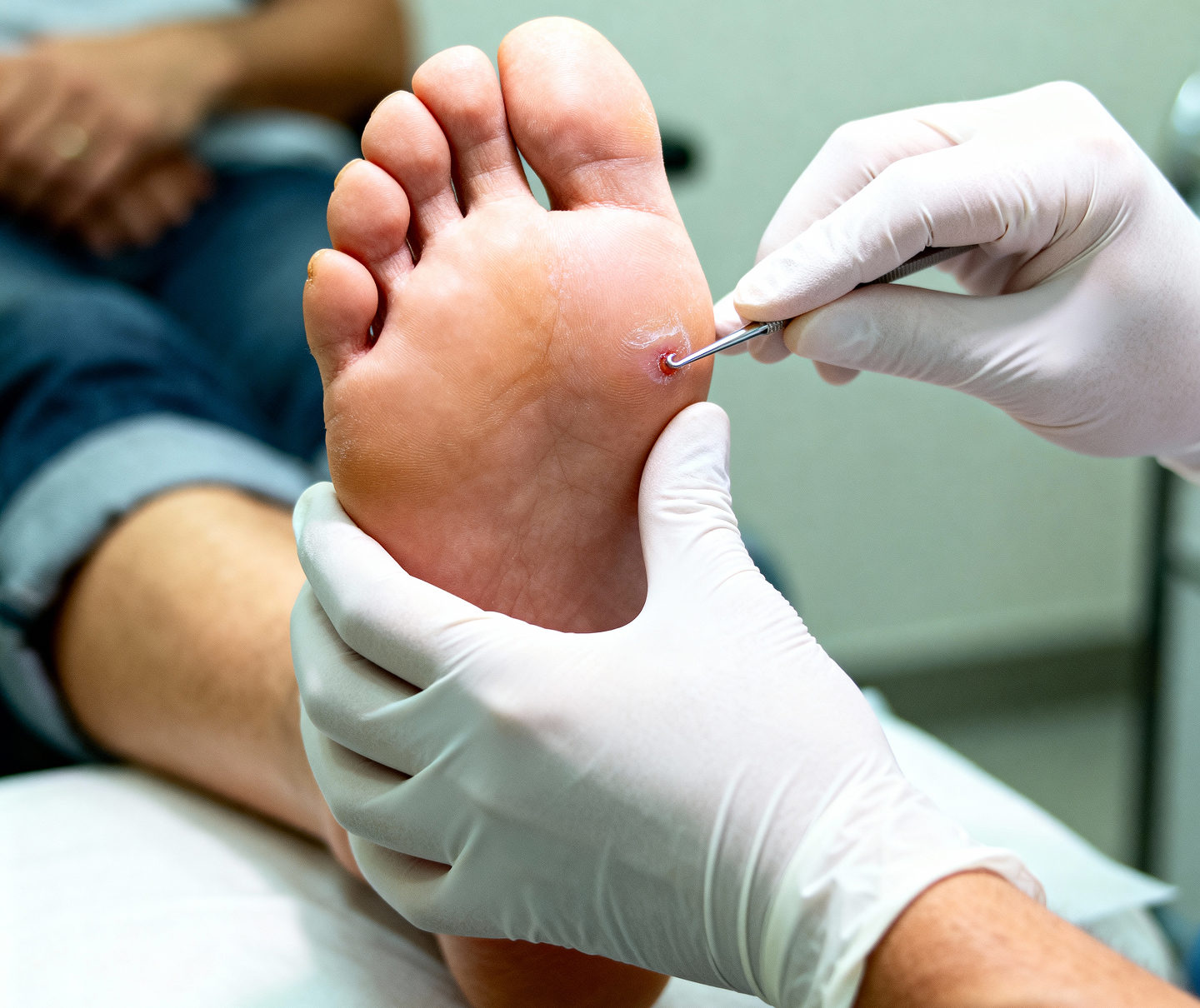
The appearance of a wart is rarely just a minor aesthetic grievance. While often dismissed as a simple skin blemish, these persistent growths—caused by the human papillomavirus (HPV)—can become a source of significant physical discomfort and psychological distress.
Standard Disclaimer: The information provided in this article is for educational purposes only and does not constitute medical or financial advice. Coverage varies significantly by provider and region. Always consult your GP, dermatologist, or insurance provider regarding your specific policy and clinical needs.
Understanding the Threshold of Medical Necessity
In the world of health insurance, the phrase "medical necessity" acts as the gatekeeper for coverage. Insurers generally categorise wart removal into two camps: cosmetic procedures and medically necessary treatments.
Decoding the Financial Vocabulary
Consultation vs. Procedure
The price for the specialist's time to evaluate your skin is often distinct from the physical procedure fee. You may be responsible for both line items.
Deductibles & Coinsurance
A deductible is what you pay out-of-pocket before insurance contributes. Coinsurance is your percentage share of the remaining costs.
The Medicare Perspective
Medicare Part B covers outpatient services if they are deemed medically necessary but specifically excludes routine foot care and purely cosmetic surgery.
-
Medicare Part BCovers outpatient medical services with rigorous documentation of symptoms.
-
Medicare Advantage (Part C)Private-sector alternatives that may have different networks and cost-sharing structures.
-
Medicare Part DCovers prescription topical treatments like salicylic acid compounds or imiquimod creams.
Comparison of Professional Removal Methods
| Method | Process | Coverage Likelihood |
|---|---|---|
| Cryotherapy | Freezing the viral tissue with liquid nitrogen. | High |
| Electrosurgery | Burning and scraping (curettage) the wart. | Moderate |
| Laser Treatment | Pulsed-dye laser for resistant cases. | Low/Auth Required |
The Administrative Journey
To avoid financial surprises, follow this structured path before the procedure begins:
- Obtain a Referral: Check if your plan requires your GP to refer you to a specialist.
- Document Symptoms: Mention pain levels, interference with daily activities, and failed OTC treatments.
- Prior Authorisation: For expensive treatments like lasers, ensure the insurer reviews the case beforehand.
- Request an Itemised Estimate: Ask for specific diagnosis and procedure codes to verify with your provider.
"Professional intervention focuses on the prevention of recurrence and the minimisation of long-term damage like scarring and infection."
Why Professional Removal is Worth the Investment
DIY treatments or the misuse of strong acids can lead to permanent scarring or secondary bacterial infections. A dermatologist uses sterile techniques and precise instruments to target only viral tissue. Furthermore, professional aftercare involves medical-grade moisturizers and SPF 30+ protection to prevent post-inflammatory hyperpigmentation.
Summary for Patients
By shifting the conversation from a desire for clear skin to a discussion about pain, function, and medical necessity, you align your needs with the criteria used by insurers. Be proactive, ask for cost breakdowns, and ensure your medical records accurately reflect your symptoms.