
Complete Guide to Oil Cleansing
Laser hair removal is a popular method of removing unwanted body hair. It has become even more common in the last few years.
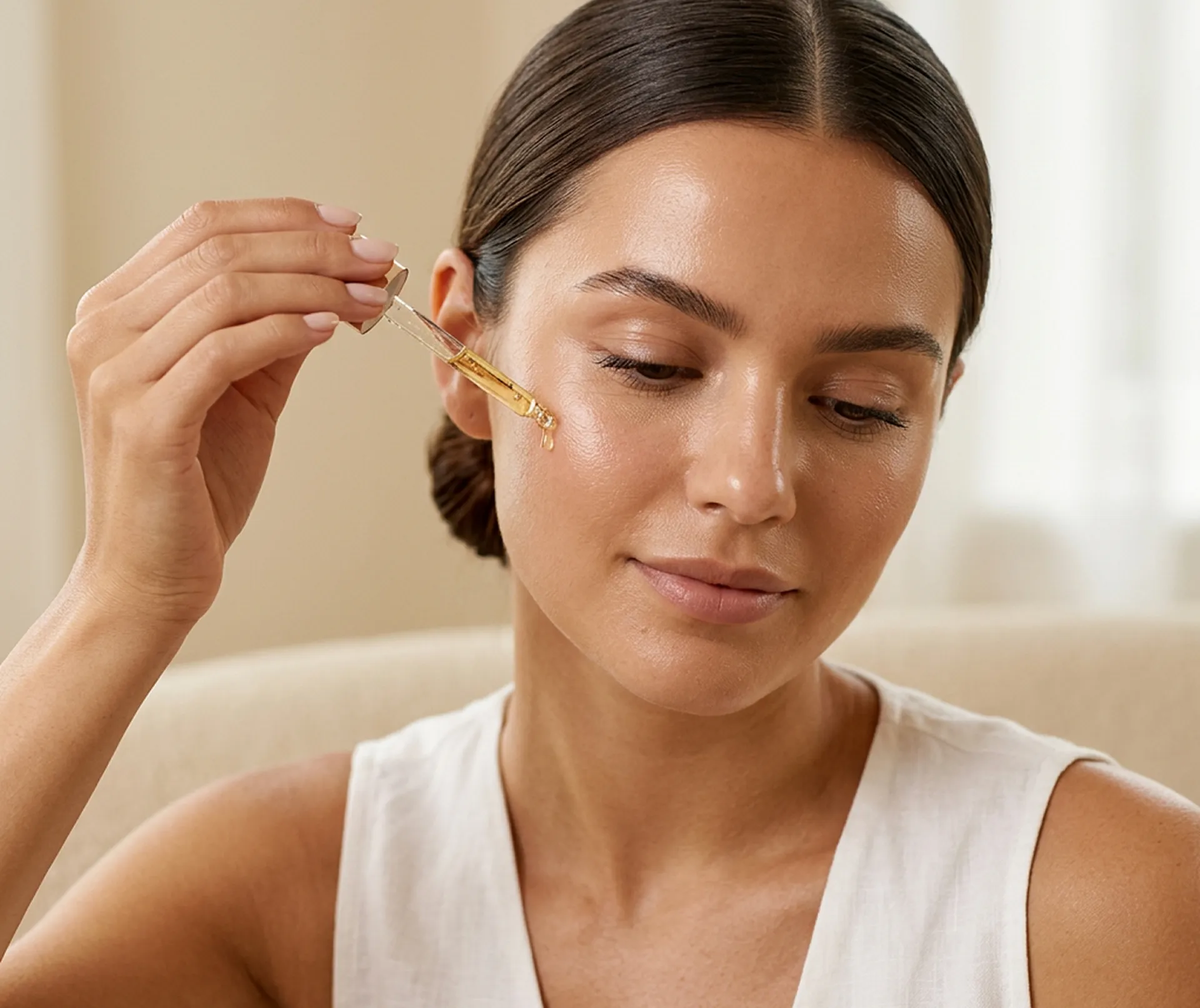
In the pursuit of a luminous complexion, we have long been conditioned to believe that oil is the enemy. Discover the science behind the Oil Cleansing Method (OCM) and how it restores your skin’s natural, healthy balance.
Balancing the Barrier: The Science of Sebum
To understand why oil cleansing is a cornerstone of holistic dermatology, one must view the skin not merely as a surface to be scrubbed, but as a dynamic ecosystem. Your skin’s sebum production is not a malfunction to be punished; it is a vital protective secretion.
"When we use aggressive surfactants, we strip away the acid mantle, forcing the skin to overcompensate by producing more oil, leading to the very congestion we sought to avoid."
Selecting the Right Ingredients
Not all oils are created equal. When building your regimen, consider the following distinctions to ensure the best results for your unique skin type:
Mastering the Ritual
The success of the method lies in the precision of the application. Follow these steps for a transformative experience:
- Dry Application: Always start with a dry face and dry hands to allow the oil to bind effectively to impurities.
- Lymphatic Massage: Use circular, upward motions focusing on the jawline and cheekbones to encourage fluid movement.
- Steam Removal: Use a warm, damp cloth to open pores, then gently wipe away the oil and emulsified debris.
Frequently Asked Questions
| Question | Answer Summary |
|---|---|
| Can oily skin benefit? | Yes, it helps regulate sebum production rather than triggering over-compensation. |
| Does it clog pores? | Not if you choose the right oil and ensure it is properly emulsified and removed. |
| Is a second cleanse necessary? | Recommended if you wear heavy makeup or high-protection physical sunscreens. |
Your skin is a mirror of your overall health; treat it with kindness, curiosity, and consistency.