
What are polynucleotides and what do they do
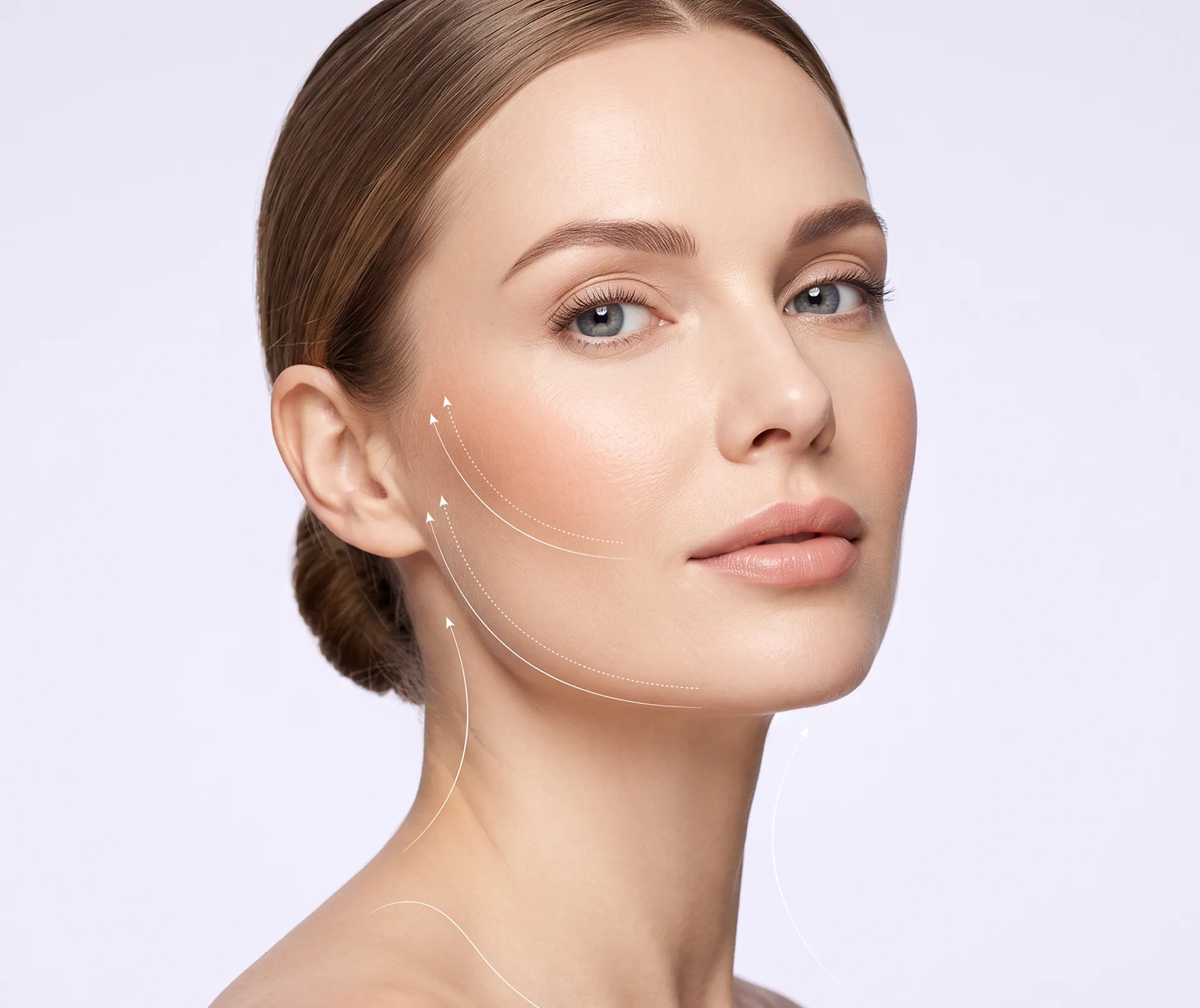
Laser hair removal is a popular method of removing unwanted body hair. It has become even more common in the last few years.
A comprehensive clinical guide to cellular bio-regeneration, mechanism of action, and biological skin restoration in modern aesthetic medicine.
For decades, aesthetic medicine operated largely on a model of structural substitution and temporary paralysis. If a patient presented with volume loss, cross-linked hyaluronic acid was deposited to recreate mechanical projection. If dynamic expression etched grooves across the forehead, botulinum toxin temporarily interrupted neuromuscular transmission to smooth the overlying tissue.
While these modalities retain a well-established place in clinical practice, the modern aesthetic specialty is undergoing a profound philosophical transition. Today’s discerning patients and forward-thinking practitioners are moving beyond static plumping and synthetic alteration. The prevailing objective is cellular bio-regeneration: prompting native human tissue to repair, remodel, and revitalise itself from within.
At the leading edge of this regenerative movement sit polynucleotides (PN) and their lower-molecular-weight counterparts, polydeoxyribonucleotides (PDRN). Widely hailed as the next frontier in biological skin restoration, these injectable treatments do not simply mask chronological ageing or environmental damage. Instead, they operate as biological signals that fundamentally re-educate the skin's cellular machinery.
The Dawn of Regenerative Aesthetics
To demystify polynucleotides, one must look beneath the clinical nomenclature to their biochemical origin. Polynucleotides are long-chain polymers composed of nucleotide monomers, the fundamental structural units of DNA and RNA. In clinical aesthetics, these macromolecular chains are harvested and highly purified from the germ cells—specifically the gonadal tissue—of salmon (Salmo salar) or trout (Oncorhynchus mykiss).
While sourcing therapeutic agents from aquatic species might sound unconventional at first glance, the biological rationale is sound. Teleost DNA shares an exceptionally close structural homology with human DNA. The raw genetic material undergoes an exhaustive, multi-step purification and ultrafiltration process conducted at high temperatures. This specialised extraction completely strips away all traces of fish proteins, lipids, and cellular antigens, leaving behind an exceptionally pure, linear polymer of non-immunogenic DNA fragments.
Because the final distillate is free from foreign cellular proteins, it does not trigger an adaptive immune response or foreign-body granulomatous reaction when introduced into human tissue. Instead, these physiological polymers are metabolised by native enzymes into endogenously compatible nucleosides and nucleotides. Polynucleotides mark a significant departure from treatments designed simply to occupy space. They represent true tissue primers that supply the skin with both the metabolic components and biological instructions needed for self-repair.
The Cellular Machinery: How Polynucleotides Function
The visible benefits of polynucleotides stem from a sophisticated cascade of cellular and enzymatic reactions. Unlike substances that rely solely on mechanical occupation or osmotic water retention, polynucleotides work via four interconnected, scientifically validated mechanisms.
Upon injection into the dermis or subdermis, polynucleotides interact directly with cell-surface purinergic receptors, exhibiting a high affinity for the Adenosine A2A receptor subtype. The activation of this specific receptor pathway initiates a profound anti-inflammatory cascade.
It actively downregulates the secretion of pro-inflammatory cytokines—including tumour necrosis factor-alpha (TNF-α), interleukin-1 (IL-1), and interleukin-6 (IL-6)—while simultaneously promoting the expression of anti-inflammatory mediators such as interleukin-10 (IL-10). By neutralising chronic low-grade tissue inflammation, often termed "inflammageing," polynucleotides create an optimal, tranquilised microenvironment in which cellular repair can take place without metabolic disruption.
Every second, cellular renewal requires an immense expenditure of metabolic energy to generate new nucleic acids. Cells synthesise DNA via two primary routes: the energy-intensive de novo pathway and the highly efficient salvage pathway.
The salvage pathway recycles pre-existing purine and pyrimidine bases into new nucleic acids. By introducing a rich reservoir of donor nucleosides and nucleotides directly into the extracellular space, polynucleotide therapy feeds this pathway. Damaged, senescent, or sluggish cells can repair and duplicate their genetic material with minimal energy expenditure, dramatically accelerating cellular turnover and regenerative kinetics in compromised tissue.
Fibroblasts are the primary architects of the dermis, tasked with assembling the structural proteins that impart youthfulness, elasticity, and firmness. Polynucleotides bind to fibroblast receptors, effectively waking these cells from age-related dormancy.
This cellular trigger stimulates fibroblasts to proliferate and systematically synthesise new extracellular matrix components. Crucially, this includes not only Type I collagen, the structural backbone of resilient skin, but also Type III ("reticular" or youthful) collagen and elastin fibres. Concurrently, native hyaluronic acid production is upregulated, restoring the physiological glycosaminoglycan scaffolding from within.
Tissue cannot repair itself without a steady supply of oxygen, micronutrients, and immunological clearance. Polynucleotides stimulate vascular endothelial growth factor (VEGF), spurring the physiological formation of new, delicate capillary networks—a process known as angiogenesis. By improving local microcirculation, polynucleotides ensure that previously under-perfused, hypoxic tissues receive the biological nourishment required to sustain long-term structural repair.
Measurable Tissue Benefits
The downstream effects of this biological symphony manifest across several clinical parameters. Rather than introducing artificial volume, polynucleotide therapy delivers subtle, organic restoration that respects the patient's native facial anatomy.
Restored Dermal Density
By orchestrating neo-collagenesis and the synthesis of robust elastin, treatments thicken the skin envelope, improving tensile strength and structural recoil.
Deep Endogenous Hydration
Unlike passive surface hydration, polynucleotide polymers possess extensive water-binding capacity. Combined with upregulated internal hyaluronic acid synthesis, this locks moisture deep within the matrix.
Refinement of Thinning Skin
Areas that have lost structural integrity regain internal support, leading to visible smoothing of fine lines, etched accordion folds, and paper-thin skin textures.
Erythema & Rosacea Mitigation
Thanks to Adenosine A2A receptor-mediated anti-inflammatory activity, polynucleotides help calm stubborn erythema, flush-prone skin, and vascular hyperactivity.
Remodelling of Scarred Tissue
In atrophic acne scars or surgical lines, polynucleotides promote orderly matrix deposition, steadily realigning chaotic collagen bundles into an organised, uniform dermal architecture.
Reversal of Photo-Damage
The therapy assists cells in repairing UV-induced single- and double-strand DNA damage, mitigating solar elastosis and improving the look of sun-damaged skin.
Precision Placement: Clinical Treatment Zones
Thanks to their high biocompatibility and thin rheological profile, polynucleotides can be placed in delicate anatomical zones that were once difficult to treat safely with traditional dermal fillers.
| Treatment Zone | Primary Clinical Objectives |
|---|---|
| Periorbital Realm & Tear Troughs | Targets under-eye hollowness, dark circles, and fine "crepey" lines without water pooling or oedema. |
| Mid & Lower Face | Softens perioral lines, improves accordion folds, and supports overall jawline firmness. |
| Neck & Décolletage | Smoothes horizontal "tech-neck" bands, crinkled chest skin, and improves persistent solar elastosis. |
| Dorsal Hands | Plumps thinned dorsal skin, softening the appearance of exposed veins and tendons without heavy volume. |
| Scalp & Hair Follicles | Awakens miniaturised follicles; useful for early androgenetic alopecia and post-telogen effluvium. |
| Specialised Body Zones | Improves elasticity on inner thighs, lax upper arms ("bingo wings"), and distended abdominal stretch marks. |
The periorbital zone deserves particular mention. The under-eye area possesses the thinnest skin on the human body and has an intricate, fragile lymphatic network. When cross-linked hyaluronic acid is placed in this area, its hydrophilic nature can draw in excess water, occasionally leading to long-term malar oedema, persistent puffiness, or the bluish hue of the Tyndall effect.
Polynucleotides eliminate these specific risks. Because they do not rely on static water retention for projection, they can be introduced directly into the delicate lower-eyelid margin, crow's feet, and tear troughs. There, they thicken translucent skin, reduce dark circles caused by visible underlying vascular beds, and smooth fine lines without disrupting lymphatic drainage.
Decoding the Injectable Spectrum
The modern aesthetic portfolio is populated by diverse injectables, making clear differentiation essential for clinical clarity and patient understanding.
| Parameter | Polynucleotides (PN/PDRN) | Cross-Linked Dermal Fillers | Non-Cross-Linked Skin Boosters |
|---|---|---|---|
| Primary Mechanism | Cellular stimulation & repair | Static mechanical volume & lift | Passive hydration & hydro-lifting |
| Main Ingredient | Highly purified DNA fragments | Cross-linked Hyaluronic Acid (HA) | High/low molecular weight HA |
| Vascular Occlusion | Non-existent | Present (medical emergency) | Practically non-existent |
| Primary Result | Skin quality & tissue density | Structural projection & contour | Plumpness, radiance & dewiness |
| Result Timeline | Gradual (6 to 12 weeks) | Immediate mechanical correction | Rapid (several days to 2 weeks) |
Polynucleotides vs Cross-Linked Dermal Fillers
Dermal fillers are structural biomaterials. Cross-linked using chemical bonds (typically BDDE), they act as cohesive gels designed to counteract deep bony resorption, elevate flattened fat pads, and sculpt strong skeletal contours. Polynucleotides, conversely, possess negligible "G-prime" (lifting capacity) and zero cross-linking. They cannot lift a sagging jowl or build a sharp cheekbone. However, because they are free-flowing, biological fluids rather than thick, cohesive gels, they carry no risk of vascular occlusion—the catastrophic arterial blockages that can occur if a cross-linked filler is accidentally injected into a blood vessel.
Polynucleotides vs Non-Cross-Linked Hyaluronic Acid Skin Boosters
Non-cross-linked skin boosters flood the extracellular matrix with high concentrations of native hyaluronic acid, drawing in water to deliver immediate dewy radiance and passive hydration. Polynucleotides function on an entirely different physiological level. Rather than acting as a simple, passive moisture reservoir, they deliver an active biological message. They supply the cellular instructions and biochemical building blocks that prompt fibroblasts to produce their own endogenous hyaluronic acid, fresh collagen, and flexible elastin over the long term.
Complementary Clinical Sequencing
Aesthetic practice rarely relies on just one tool. Astute clinicians frequently use polynucleotides to prime tissue before performing ablative fractional laser treatments, chemical peels, or radiofrequency microneedling. By restoring microcirculation and calming baseline inflammation in advance, polynucleotides help compromised skin heal faster and respond more predictably to thermal or mechanical energy. Similarly, conditioning a thinned, depleted dermis with polynucleotides creates a more resilient foundation before carefully placing structural dermal fillers or muscle-relaxing toxins.
Evaluating the Clinical Evidence
The sudden popularity of polynucleotides in modern clinics might suggest they are an overnight discovery. In truth, they boast a solid, four-decade track record in medical disciplines well beyond the aesthetic sector.
Originally developed in Europe and Asia, PDRN was long prescribed as an approved therapeutic agent for complex wound healing, trophic cutaneous ulcers, and tissue repair in diabetic patients. It was similarly deployed by orthopaedic surgeons to manage knee osteoarthritis and speed the recovery of injured tendons. Its safety profile, tolerability, and regenerative properties were thoroughly documented in clinical literature well before its aesthetic potential was tapped.
Over the past decade, dermatological research has expanded considerably. Peer-reviewed trials published in journals such as Frontiers in Pharmacology, the Journal of Cosmetic Dermatology, and the Journal of Dermatological Treatment have documented polynucleotides' positive effects on skin health. Controlled clinical trials, including split-face human evaluations, have objectively recorded statistically significant increases in dermal density, measurable decreases in melanin deposition, and notable reductions in the depth of periorbital fine lines.
A balanced medical appraisal, however, requires an objective look at the current literature. While independent clinical trials are steadily increasing, a notable portion of available data comes from manufacturer-supported research with relatively modest cohort sizes. Assessment tools across aesthetic studies can also vary, ranging from subjective patient satisfaction questionnaires to objective ultrasound-measured dermal thickness. Clinicians welcome these promising initial findings, but continued large-scale, long-term post-marketing surveillance will be vital to fully define their optimal therapeutic use.
Patient Selection: Candidacy, Cautions, and Contraindications
Achieving consistent, high-quality outcomes with polynucleotides begins with careful patient selection and thorough diagnostic assessment.
- Early to moderate skin laxity and thinning across the face, neck, or décolletage.
- Perimenopausal and postmenopausal skin marked by oestrogen-depleted structural collapse.
- Periorbital ageing, such as blue-toned dark circles and dynamic fine lines.
- Solar elastosis, dullness, or textural roughness from chronic UV exposure.
- Erythema-prone skin, mild rosacea, or atrophic acne scarring.
- Documented Fish/Seafood Allergy: High risk of anaphylaxis or hypersensitivity due to salmonid DNA derivation.
- Active Localised Infections: Active herpes simplex, impetigo, or severe cystic acne in the treatment area.
- Pregnancy and Lactation: Elective aesthetic safety is not established for pregnant or nursing individuals.
- Systemic Autoimmune Disease: Risk of dysregulated immunological reactions.
- Coagulation Alterations: Bleeding disorders or active anticoagulant therapies increase risk of superficial bruising.
- Scarring Tendencies: Known history of hypertrophic or keloid scarring requires meticulous assessment.
- Immunosuppression: Active immunosuppressive regimens may impair expected native cellular responses.
The Clinical Pathway: What to Expect from Treatment
Undergoing a course of polynucleotides is a systematic biological protocol rather than a "quick-fix" single appointment.
-
Diagnostic Consultation and Skin MappingThe clinician assesses dermal health, palpates tissue thickness, evaluates dynamic and static lines, and rules out any contraindications.
-
Preparation and AnaesthesiaFollowing thorough antiseptic skin cleansing, a topical local anaesthetic cream is typically applied for 20 to 30 minutes to make the procedure as comfortable as possible.
-
Injection TechniqueThe clinician deposits the solution using micro-papular mesotherapy (droplets in the superficial dermis via ultra-fine 32G to 34G needles) or a blunt-tip microcannula to fanning product across wider planes, minimizing entry points and bruising.
-
Protocol and SpacingTissue remodelling cannot happen overnight. A foundational treatment protocol typically involves 2 to 4 sessions spaced roughly 2 to 4 weeks apart.
-
The Results HorizonInitial skin feel and radiance usually surface around week 3 or 4. Structural remodelling, thickened dermal tissue, and genuine skin rebound reach their peak between 6 and 12 weeks after the second session.
-
Maintenance CyclesTo maintain tissue density and overall quality as fibroblasts gradually slow down, a single maintenance booster is recommended every 6 to 9 months.
Post-Treatment Realities: Healing Dynamics and Aftercare
Recovery from polynucleotide therapy is generally straightforward, but patients must be given realistic expectations regarding immediate, normal post-procedure changes. When the superficial micro-papular technique is used, patients will leave the clinic with small, raised blebs across the skin surface—frequently described as a temporary "bee-sting" appearance.
- • Visible superficial papules
- • Mild erythema & warmth
- • Sensation of slight tightness
- • Papules completely flatten
- • Residual minor bruising
- • Tenderness subsides
- • Skin surface normalises
- • Biochemical cascade active
- • No outward treatment signs
Essential Aftercare Guidelines
- Do not touch, rub, or massage the treated areas for at least 12 hours.
- Avoid applying makeup for 24 hours to prevent introducing bacteria into open micro-punctures.
- Pause potent active skincare (retinoids, AHAs, BHAs, and vitamin C) for 48 hours to avoid surface irritation.
- Avoid strenuous cardiovascular exercise, saunas, steam rooms, and alcohol for 48 hours to prevent vasodilation and worsening swelling.
- Apply a broad-spectrum, physical mineral sunscreen (SPF 50) daily to safeguard the healing dermis.
Patient Safety and the UK Regulatory Framework
In the UK, polynucleotides are legally classified as CE-marked and UKCA-marked Class III medical devices. This classification signifies that the manufacturing processes, structural safety, and biocompatibility profiles meet demanding European and British regulatory benchmarks for human implantation.
However, the current UK aesthetic landscape remains uniquely complex. Non-surgical cosmetic procedures are not yet subject to comprehensive statutory licensing regulations. This makes it vital for patients to look beyond clinical marketing and select an appropriately qualified medical injector.
Polynucleotide therapy involves complex facial anatomy, micro-injection techniques, and precise patient selection. It should only be carried out by registered healthcare professionals—such as doctors registered with the GMC, nurses registered with the NMC, or dentists registered with the GDC.
A qualified medical professional will carry out a thorough, face-to-face clinical assessment, evaluate medical histories, handle any unexpected tissue reactions, and maintain the clean, clinical standards required for advanced injectable treatments. By pairing safe, high-grade medical devices with experienced clinical care, polynucleotide therapy offers an exceptionally reliable, scientifically grounded route to authentic tissue regeneration.