
Side Effects and Contraindications of Biorevitalization
Laser hair removal is a popular method of removing unwanted body hair. It has become even more common in the last few years.
Modern aesthetic medicine has shifted decisively away from overt, exaggerated alteration toward physiological skin preservation. Discerning patients increasingly seek therapies that awaken innate cellular repair rather than simply augment tissue volume. At the forefront of this philosophy sits biorevitalization—an evidence-based intradermal treatment celebrated for its capacity to restore deep dermal hydration, improve elasticity, and impart an authentic luminosity.
Yet, true clinical excellence demands that aesthetic promise is always balanced with rigorous safety awareness. Even minimally invasive procedures carry specific biological interactions, transient side effects, and strict contraindications. Understanding the physiological footprint of biorevitalization empowers you to approach your treatment journey with clarity, realistic expectations, and complete confidence.
Understanding Biorevitalization: Rehydration Beyond Traditional Fillers
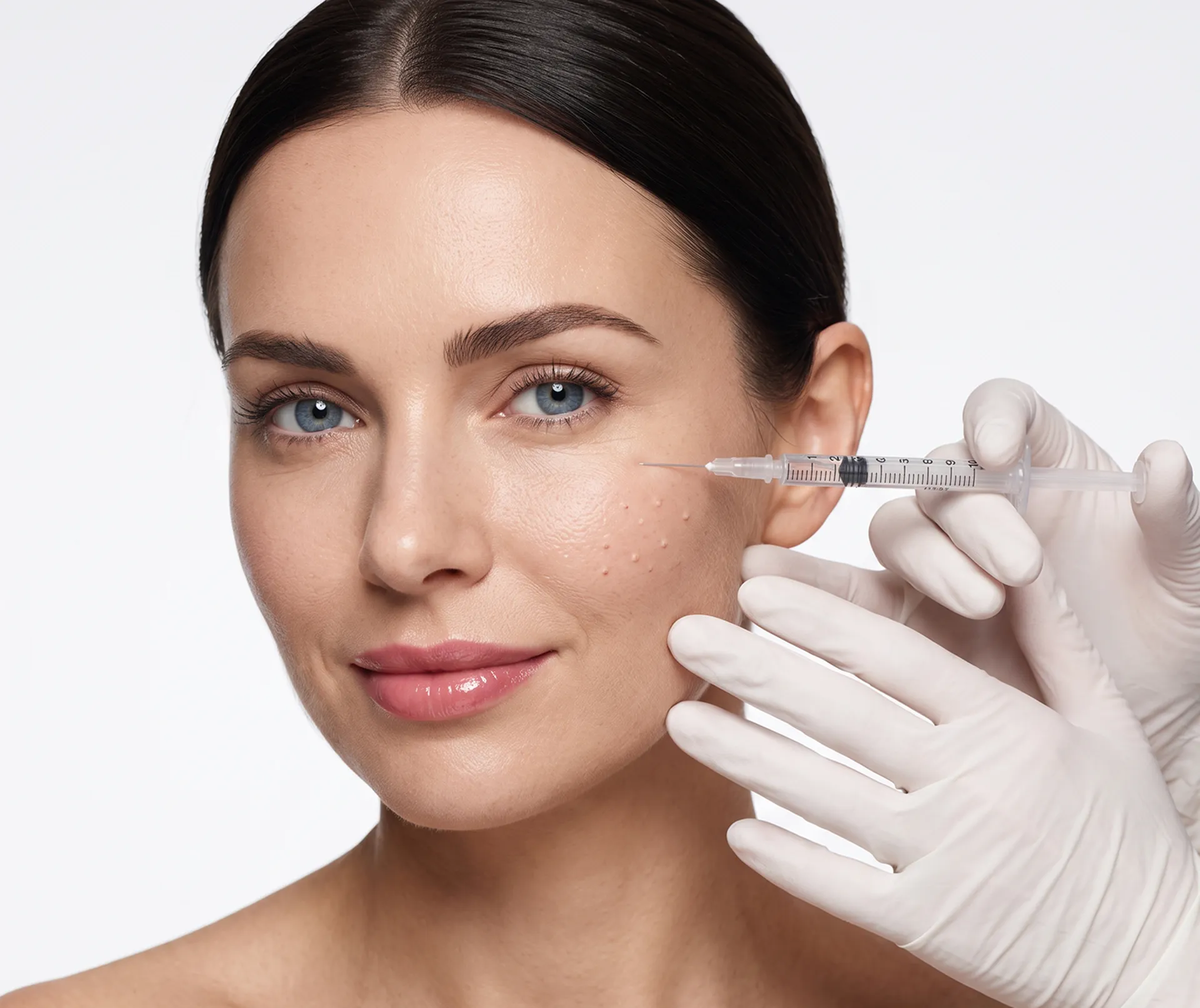
Biorevitalization is an intradermal therapeutic technique designed to combat dermal dehydration, photo-ageing, and structural laxity. At its core, the procedure entails deliberate micro-injections of non-cross-linked, pure hyaluronic acid (HA) into the superficial to mid-dermis.
Biorevitalization vs. Alternative Approaches
| Modality | Primary Composition | Mechanism & Clinical Impact |
|---|---|---|
| Biorevitalization | Non-cross-linked pure Hyaluronic Acid | Fluid and biocompatible. Binds water in the extracellular matrix and signals fibroblasts for collagen synthesis without mechanical volumisation or vascular occlusion risks. |
| Dermal Fillers | Chemically cross-linked Hyaluronic Acid | Higher cohesive density intended for mechanical volume and structural contouring. Resists immediate degradation but carries elevated vascular occlusion risk. |
| Mesotherapy | Heterogeneous cocktails (vitamins, minerals, amino acids) | Formulations vary widely by brand; provides nutritional micro-dosing but carries a higher relative frequency of contact dermatitis and localised hypersensitivity. |
| Non-Injectable Methods | Laser-assisted delivery or electroporation | Needle-free alternatives that eliminate bruising risk, though cellular depth and biological stimulation remain lower than micro-droplet injection. |
What to Expect: Immediate Skin Reactions and Common Side Effects
Following a biorevitalization session, the skin initiates a predictable, short-lived inflammatory cascade. Experiencing these immediate reactions is not a sign of procedural failure; rather, it reflects expected physiological tissue responses to micro-trauma and dermal deposition.
Expected Recovery Timeline
Contraindications: Evaluating Patient Eligibility
Rigorous pre-treatment screening safeguards patient welfare. A qualified medical practitioner will systematically differentiate between absolute conditions (where treatment must never take place) and relative conditions (where treatment must be postponed or carefully modified).
Absolute Contraindications
- Pregnancy & Breastfeeding: Unknown teratogenic risks and hormonal shifts that destabilise skin reactivity.
- Systemic Autoimmune Disorders: Conditions like lupus or active rheumatoid arthritis elevate hyper-reactive inflammation risks.
- Hypersensitivity to HA: Verified anaphylactoid tendencies or allergies to residual bacterial proteins.
- Active Malignancies & Immunodeficiencies: Compromised tissue cannot sustain controlled dermal micro-trauma safely.
- Coagulopathies: Uncontrolled bleeding disorders impair regular haemostasis.
Relative & Temporary Postponements
- Active Cutaneous Infections: Acne flare-ups, impetigo, or herpes simplex outbreaks can be spread across tissue planes.
- Anticoagulant Therapy: Concurrent aspirin, NSAIDs, warfarin, or high-dose fish oils increase haematoma severity.
- Uncontrolled Hypertension: Heightened intra-capillary pressure amplifies intra-procedural bruising.
- Keloid / Hypertrophic Scarring: Predispositions to aberrant fibrogenesis may respond unfavourably to repeated micro-punctures.
Rare Complications: Distinguishing Normal Healing from Clinical Concerns
While biorevitalization boasts an enviable safety profile, adverse events can arise—particularly when sterile techniques are compromised, or when unapproved products are administered by non-medical personnel. Clinically, complications manifest across a distinct spectrum:
Superficial Infection
Disrupted skin barriers permit opportunistic bacteria (e.g., Staphylococcus aureus). Look for escalating pain, crusting, or pustules.
Inflammatory Nodules
Sub-clinical biofilms or product impurities can induce sterile, persistent inflammatory nodules weeks after treatment.
Vascular Compromise
Exceptionally rare with fluid uncross-linked HA, but aggressive mechanical technique in high-risk zones could theoretically compress capillaries.
When to Contact Your Practitioner Immediately
- Severe, throbbing pain that escalates rather than settles
- Asymmetric, blotchy skin blanching (a pale, mottled appearance)
- Expanding areas of extreme heat, persistent swelling, or systemic fever
- Pustular discharge or weeping at injection points
Pre-Treatment Protocols and Recovery Guidelines
Maximising treatment longevity while minimising downtime requires careful clinical planning before and after your appointment.
- Medical Review: Disclose prior aesthetic injectables, dental procedures, and travel plans.
- Supplement Modulation: Pause non-essential blood thinners (vitamin E, ginkgo, omega-3s) for 7–10 days under clinical guidance.
- Alcohol Cessation: Avoid alcohol consumption for at least 24 hours prior to minimise capillary fragility.
- First 12–24 Hours: Strictly no makeup or tactile touching to preserve the sterile closure of needle tracts.
- First 48 Hours: Avoid strenuous cardiovascular workouts, saunas, hot baths, and alcohol to control vasodilation.
- Barrier Recovery: Cease active topicals (retinoids, AHAs, BHAs) for 3–5 days; focus on ceramides and panthenol.
- Photoprotection: Apply broad-spectrum SPF 50+ daily to mitigate post-inflammatory hyperpigmentation.
Treatment Cycles and Cumulative Results
Biorevitalization is not an immediate, one-off fix; it is a biologically restorative programme. Because uncross-linked hyaluronic acid naturally degrades over several weeks, its purpose is to trigger an ongoing, self-sustaining regenerative cycle within your fibroblasts.
"Optimal clinical outcomes typically involve an initial protocol of 2 to 4 sessions, spaced 2 to 4 weeks apart to saturate the extracellular matrix."
Single maintenance appointments conducted every 3 to 6 months sustain dermal density and skin quality thereafter. Individual longevity depends on baseline hydration, age, and lifestyle choices. Factors such as chronic ultraviolet exposure, smoking, and psychological stress accelerate enzymatic breakdown via hyaluronidase and oxidative damage.