
Genital Warts Medical Procedure: What to Expect & Options
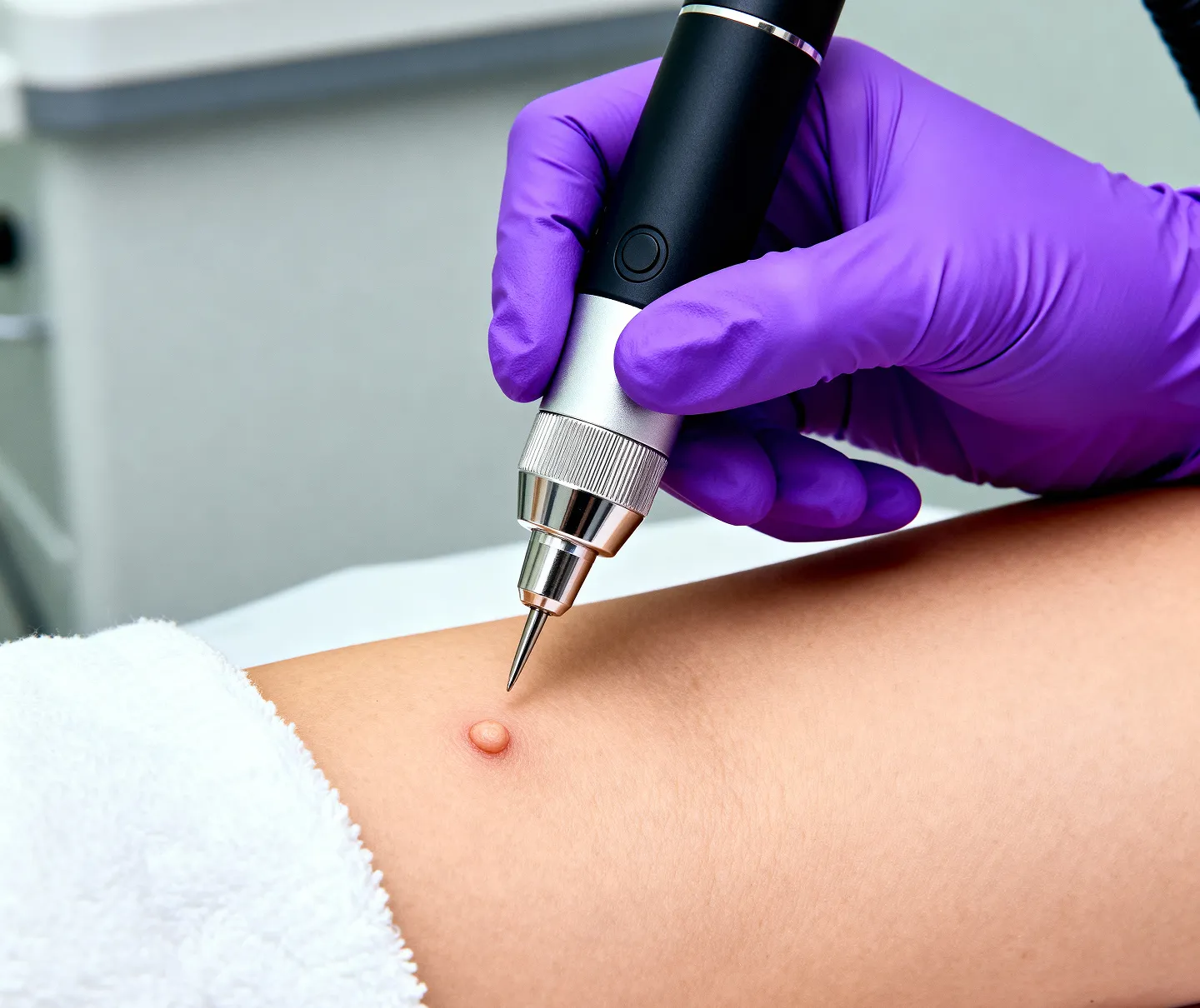
Laser hair removal is a popular method of removing unwanted body hair. It has become even more common in the last few years.
A Comprehensive Guide to Medical Procedures for Genital Warts
Receiving a diagnosis of genital warts can be an unsettling experience, often accompanied by a complex mix of clinical concern and personal anxiety. However, this condition—primarily caused by the Human Papillomavirus (HPV)—is one of the most common dermatological presentations in sexual health clinics across the United Kingdom.
The Diagnostic Journey: Beyond Visual Inspection
Most genital warts are caused by HPV types 6 and 11. While considered "low-risk" regarding malignancy, the diagnostic phase is crucial for identifying subclinical infections.
Visual Inspection
Clinicians may use a mild acetic acid solution to cause acetowhitening, highlighting flat or subtle lesions.
Biopsy & Screening
Atypical or pigmented lesions require biopsy under local anesthesia to rule out carcinoma or HSIL.
Tailoring the Treatment Plan
There is no "one size fits all" strategy. Modality selection is influenced by morphology, size, anatomical location, and patient preference. For instance, soft warts on moist surfaces respond differently than hard, keratinised lesions on dry skin.
| Treatment Type | Method of Action | Administration |
|---|---|---|
| Imiquimod | Immune response modifier | Patient-Applied |
| Podofilox | Cytotoxic (arrests cell division) | Patient-Applied |
| Sinecatechins | Green tea extract antioxidant | Patient-Applied |
| TCA / BCA | Chemical cautery (acid) | Clinician-Applied |
| Interferon | Direct antiviral injection | Clinician-Applied |
Surgical and Minimally Invasive Procedures
Navigating Special Clinical Situations
Pregnancy & Childbirth
Hormonal changes can cause rapid growth. Cryotherapy or excision are preferred over certain topicals. Clinical focus is on preventing Neonatal RRP (Respiratory Papillomatosis).
Immunocompromised Patients
Patients with HIV or those on immunosuppressants often face frequent recurrences. Clinicians typically adopt more aggressive, multi-modal treatment strategies.
"The period following a medical procedure is vital for healing. Follow-up visits are essential as the virus can persist in surrounding skin even after visible warts are removed."
Long-term Prevention: Gardasil 9
The most significant advancement is the development of vaccines. In the UK, the Gardasil 9 vaccine protects against nine HPV types. Even if already diagnosed, vaccination can prevent infection from other high-risk or low-risk strains.
Genital warts are a clinical manifestation of a highly prevalent virus. By understanding diagnostic tools and surgical options, patients can navigate this journey with confidence. Professional guidance remains the most effective path to recovery and long-term sexual health.